





A Voter-Approved, Regional Approach to Solving Homelessness
Supportive Housing Services (SHS) Measure
Background
In May 2020, voters in Multnomah, Clackamas and Washington counties approved the Metro Supportive Housing Services Measure 26-210, which introduced two new taxes that raise about $250 million annually to fund solutions to homelessness.
The measure funds services across the region that address chronic and short-term homelessness by providing permanent supportive housing, shelter, outreach, behavioral health services and other supports, while addressing racial disparities.
A Deep Dive
Why is this important?
Thanks to voters’ historic investment, SHS has provided our communities with a regional set of resources and strategies to reduce homelessness. Ten-year regionwide program goals are:
- Connect 5,000 chronically homeless households with supportive housing
- Build new outreach teams to expand capacity
- Stabilize 10,000 households experiencing or at risk of homelessness in permanent housing
- Expand the network of culturally specific service providers
- Regularly update regional data and graphics
- Increase shelter capacity and access
Services provided
The SHS Measure funds several programs and services. These include:
- Rent assistance (both emergency and long-term)
- Housing placement
- Advocacy and case management
- Physical, mental and behavioral health services
- Addiction and recovery assistance
- Emergency services, such as outreach and shelter
- Language and cultural support
- Education and employment assistance
- Tenant rights and legal services
Racial equity
In alignment with the vision of the SHS measure, we are focused on reducing racial disparities across the regional homeless services system by prioritizing communities of color. We center racial equity because people of color in our region experience disproportionately high rates of homelessness and often face barriers to accessing services. Our work also addresses barriers experienced by other oppressed and underserved groups, like people with disabilities, people who are LGBTQIA2S+, women, older adults, young people, and people with low incomes.
With Supportive Housing Services:
- Black, Indigenous, and other people of color (BIPOC) will be served at higher rates than the general population (due to systemic racism, discrimination, and being disproportionately impacted by the homelessness crisis). SHS will show equal or better outcomes for BIPOC folks compared to the general population to account for and correct racial disparities.
- BIPOC community members will receive culturally specific, affirming and effective services across the region, and we will continue to expand and improve outreach and language access to improve outcomes for people of color.
- Communities of color shape the programs. SHS engages with communities of color in planning every program stage. We aim to prevent experiences of racism in homelessness, housing and social services, and provide just, equitable, safe and stable housing for everyone.
Measurable Impacts of our Work
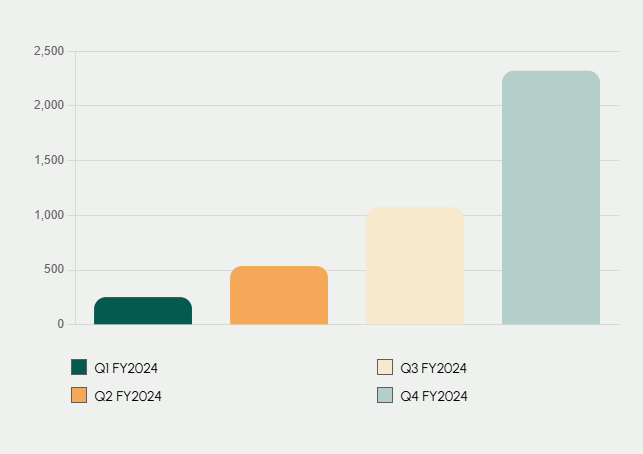
In partnership with agencies, service providers and community-based organizations, the work of the HSD delivers measurable impacts, including preventing homelessness and moving more of our neighbors out of homelessness and into permanent, stable housing, in addition to receiving wraparound support and retention services as needed.
See where the HSD is allocating funding in programs and services and data on the progress we’re making to address the homelessness crisis in our region.
SHS Advisory Committee
The Supportive Housing Services Advisory Committee is made up of community members with many intersecting identities who advise and oversee the Homeless Services Department and Multnomah County in our work to end homelessness and stay aligned with our SHS Local Implementation Plan (LIP). The design, policies and processes of the committee are structured to elevate the experience and expertise of people of color and people with lived experience of homelessness.
Meetings are open to the public. If you’d like to attend, please click here for upcoming dates.
Reports
Quarterly and annual reports of progress made through the implementation of the Supportive Housing Services Measure
Metro Regional Government
Find out more about the overall implementation of the Supportive Housing Services measure from Metro Regional Government.